All posts by leonardo alvarez

Legal and Statutory Protections in Real Estate

Legal and Statutory Protections in Real Estate

Real estate is one of the most valuable investments a person can make. Whether purchasing a house, condominium, commercial property, or vacant lot, buyers and investors need assurance that their investment is protected by law. This is where legal and statutory protections become important.

In the Philippines, real estate transactions are governed by various laws, regulations, and government agencies that help protect buyers, sellers, developers, and property owners. These protections ensure that transactions are fair, transparent, and legally valid.

Why Legal Protection Matters in Real Estate

Buying property involves large financial commitments. Without proper legal safeguards, people may encounter problems such as fake titles, illegal selling, delayed developments, land disputes, or fraudulent transactions.

Legal and statutory protections help:

  • Protect ownership rights
  • Prevent real estate fraud
  • Ensure lawful property transfers
  • Safeguard buyers and investors
  • Promote responsible property development

These laws create confidence and stability within the real estate industry.

Property Registration and Land Ownership

One of the strongest legal protections in Philippine real estate is the Torrens Title System. This system provides official proof of ownership through registered land titles.

The Land Registration Authority and the Registry of Deeds are responsible for maintaining and registering property records. A clean and verified title protects owners against ownership disputes and unauthorized claims.

Before buying property, it is important to verify the authenticity of the land title and ensure there are no liens or legal issues attached to the property.

Protection for Subdivision and Condominium Buyers

One of the most important real estate laws in the Philippines is Presidential Decree No. 957, also known as the Subdivision and Condominium Buyers’ Protective Decree.

This law protects buyers from fraudulent and irresponsible developers. Under this decree, developers are required to:

  • Obtain a License to Sell
  • Complete development projects according to approved plans
  • Deliver property titles to buyers
  • Follow government standards and regulations

PD 957 gives buyers legal remedies if developers fail to fulfill their obligations.

The Maceda Law and Installment Buyers

Another important protection for property buyers is Republic Act No. 6552.

This law protects buyers who purchase real estate through installment payments. It provides rights such as:

  • Grace periods for unpaid installments
  • Refunds for qualified buyers
  • Protection against immediate cancellation of contracts

The Maceda Law is especially beneficial for Filipinos purchasing homes through long-term financing arrangements.

Zoning and Land Use Regulations

Local government units implement zoning laws that regulate how land can be used in certain areas. These regulations help maintain organized communities and proper urban development.

Properties may be classified as:

  • Residential
  • Commercial
  • Industrial
  • Agricultural

Checking zoning classifications before buying property is important because it affects the future use and value of the property.

Building and Safety Regulations

Construction projects must comply with the National Building Code enforced by the Department of Public Works and Highways.

These regulations ensure that buildings are:

  • Structurally safe
  • Properly designed
  • Environmentally compliant
  • Suitable for occupancy

Building permits and inspections are necessary to ensure that developments follow engineering and safety standards.

Environmental Protection Laws

Real estate developments must also comply with environmental regulations. Some projects require Environmental Compliance Certificates (ECC) to ensure that developments do not harm the environment or nearby communities.

Environmental laws help:

  • Protect natural resources
  • Prevent flooding and environmental damage
  • Promote sustainable development
  • Ensure proper waste management
Leave a comment

Kinds of Real Estate Mortgage in the Philippines


Understanding the Different Kinds of Real Estate Mortgage in the Philippines

Real estate is one of the most valuable investments a person can own. In the Philippines, many individuals and businesses use properties as security for loans through what is called a Real Estate Mortgage (REM). Whether for purchasing a house, expanding a business, or obtaining financing, mortgages play a major role in the real estate industry.

But did you know that there are different kinds of real estate mortgages under Philippine law?

In this blog, we will discuss the common types of real estate mortgage in the Philippines and why they are important for property owners, buyers, investors, and borrowers.

What is a Real Estate Mortgage?

A real estate mortgage is a legal agreement where a property owner uses a real property — such as land, a house, condominium unit, or commercial building — as collateral for a loan or obligation.

Under Philippine law, the borrower remains the owner of the property unless they fail to pay the loan, which may result in foreclosure.

Real estate mortgages are governed mainly by the Civil Code of the Philippines and related banking regulations.

Different Kinds of Real Estate Mortgage in the Philippines

1. Voluntary Real Estate Mortgage

The most common type of mortgage is the voluntary mortgage. This happens when the property owner willingly agrees to mortgage the property to a lender or bank in exchange for a loan.

This type is commonly used for:

  • Housing loans
  • Business loans
  • Property financing
  • Bank credit facilities

The mortgage contract must be:

  • In writing
  • Notarized
  • Registered with the Registry of Deeds

Even if the property is mortgaged, the owner can still possess and use the property while paying the loan.

2. Legal Mortgage

A legal mortgage is created by operation of law rather than by agreement of the parties.

In this situation, the law itself recognizes a mortgage to secure certain obligations or claims.

Examples may include:

  • Government tax claims
  • Certain statutory liens

Although less common in regular real estate transactions, legal mortgages are recognized under Philippine laws.

3. Equitable Mortgage

An equitable mortgage happens when a transaction appears to be a sale but is actually intended only as security for a loan.

This is important because some lenders may attempt to disguise a loan agreement as an absolute sale to avoid mortgage laws. Philippine courts carefully examine the true intention of the parties.

Signs of an equitable mortgage include:

  • The seller remains in possession of the property
  • The selling price is unusually low
  • The owner continues paying property taxes
  • The buyer allows the seller to repurchase the property

Philippine law protects borrowers from unfair arrangements by treating these transactions as mortgages instead of sales.

4. Conventional Mortgage

A conventional mortgage refers to a mortgage created through mutual agreement between the borrower and lender.

This is similar to a voluntary mortgage and is commonly used in:

  • Bank financing
  • Home loans
  • Commercial property loans

Most residential and commercial property loans in the Philippines fall under this category.

5. Open Mortgage

An open mortgage allows the same property to secure future loans or additional obligations beyond the original loan amount.

For example, a borrower may mortgage a commercial property for an initial loan, and the same mortgage may also secure future credit extensions from the bank.

This setup is commonly used in:

  • Business financing
  • Credit lines
  • Corporate loans

6. Closed Mortgage

A closed mortgage secures only one specific obligation or loan amount.

Once the borrower fully pays the debt:

  • The mortgage is cancelled
  • The property is released from the encumbrance

If the borrower wants another loan, a new mortgage agreement is usually required.

Foreclosure of Mortgage in the Philippines

If the borrower fails to pay the loan, the lender may foreclose the property.

There are two kinds of foreclosure:

Judicial Foreclosure

This process goes through the court system.

Extrajudicial Foreclosure

This happens outside the court if the mortgage contract contains a special power of sale clause.

Extrajudicial foreclosure is governed by Act No. 3135.

Why Understanding Real Estate Mortgage Matters

Knowing the different types of mortgage is important because it helps:

  • Property buyers understand financing
  • Investors protect their assets
  • Borrowers avoid legal problems
  • Sellers recognize unfair transactions
  • Businesses secure proper financing

A real estate mortgage is more than just a loan document — it is a legal agreement that affects ownership rights, financial obligations, and property security.

Leave a comment

Four Kinds of Defective Contracts

Understanding the Four Kinds of Defective Contracts in Real Estate and Civil Law

Contracts are an essential part of everyday transactions, especially in real estate, business, and legal agreements. However, not all contracts are perfectly valid. Under the Civil Code, there are certain agreements considered “defective contracts.” These contracts may still produce legal effects depending on the nature and seriousness of their defect.

The law classifies defective contracts into four kinds, arranged according to their degree of defectiveness or legal effectiveness: rescissible, voidable, unenforceable, and void contracts.

1. Rescissible Contracts: The Least Defective

Rescissible contracts are considered the least defective among all kinds of defective contracts. These agreements contain all the essential elements of a valid contract — consent, object, and cause — making them legally valid from the beginning.

However, they may later be rescinded because they cause damage or prejudice to one of the parties or even to third persons, such as creditors. The defect is considered external because the problem is not with the contract itself but with its effects.

Until a court rescinds the contract, it remains valid and binding.

Example:

A property owner sells his land at an extremely low price to prevent creditors from claiming it.

2. Voidable Contracts: Defective Due to Consent

Voidable contracts are valid and enforceable unless annulled by the court. The defect arises because the consent of one party was flawed or improperly given.

This usually happens when consent is affected by:

  • mistake,
  • fraud,
  • intimidation,
  • violence,
  • undue influence,
    or when one party lacks legal capacity, such as a minor entering into a contract.

Unlike void contracts, voidable contracts may still be ratified, meaning the injured party may confirm and validate the agreement.

Example:

A minor signs a contract to sell property without parental consent.

3. Unenforceable Contracts: Valid but Cannot Be Enforced

Unenforceable contracts occupy the middle ground between voidable and void contracts. These agreements cannot be enforced in court unless they are properly ratified.

The defect usually involves:

  • lack of written form required by law,
  • contracts entered into without authority,
  • or contracts where both parties are incapacitated.

Although they may appear valid, the courts cannot compel compliance unless the defect is corrected.

Example:

An oral agreement involving the sale of real property without any written document.

4. Void or Inexistent Contracts: Absolutely Void

Void contracts are the most defective of all contracts. These agreements are considered nonexistent in the eyes of the law because they produce no legal effect whatsoever.

A contract becomes void when:

  • its object or purpose is illegal,
  • it violates law, morals, public policy, or public order,
  • or an essential element of a valid contract is absent.

Unlike voidable and unenforceable contracts, void contracts can never be ratified.

Example:

A contract involving the sale of prohibited or illegal substances.

Why Understanding Defective Contracts Matters

Understanding defective contracts is important not only for lawyers but also for property owners, real estate practitioners, investors, and ordinary individuals entering into agreements.

In real estate transactions, defective contracts may lead to:

  • cancellation of sales,
  • legal disputes,
  • financial losses,
  • delayed property transfers,
  • and invalid ownership claims.

The Civil Code clearly classified these contracts to eliminate confusion that existed under the old law, particularly between void and voidable contracts. This classification helps parties understand their rights, obligations, and legal remedies.

Leave a comment

Future Cash Flow in Real Estate: Why It Matters in Property Investment

Future Cash Flow in Real Estate: Why It Matters in Property Investment

Real estate is widely recognized as one of the most stable and rewarding long-term investments. One of the main reasons investors purchase properties is because of their ability to generate future cash flow. Whether through rental income, property appreciation, or commercial operations, future cash flow plays a vital role in determining the profitability and value of a real estate investment.

For investors, developers, and valuation professionals, understanding future cash flow is essential in making smart financial decisions and evaluating the true potential of a property.

What is Future Cash Flow in Real Estate?

Future cash flow refers to the projected income a property is expected to generate over time after deducting expenses such as maintenance, taxes, insurance, and operating costs. In simple terms, it is the expected net income an investor may receive from a property in the future.

Future cash flow can come from different sources, including:

  • Monthly rental income
  • Lease payments
  • Commercial business operations
  • Property appreciation
  • Future resale value

In real estate, investors do not only focus on the current market price of a property. They also analyze how much income the property can generate in the coming years.

Importance of Future Cash Flow

Future cash flow is important because it helps determine whether a property is financially sustainable and profitable. A property with strong cash flow potential is often considered a good investment because it can provide continuous income and long-term financial growth.

Positive cash flow can:

  • Generate passive income
  • Increase investment returns
  • Improve financial stability
  • Support property appreciation
  • Reduce investment risks

For many investors, cash flow is one of the primary factors in deciding whether to purchase a property.

Sources of Future Cash Flow

Rental Income

Rental income is one of the most common sources of future cash flow. Residential units, apartments, office spaces, and commercial establishments generate recurring monthly income from tenants.

Higher occupancy rates and increasing rental demand usually lead to stronger cash flow performance.

Property Appreciation

As property values rise over time, investors may earn profits through capital appreciation when selling the property in the future.

Areas with infrastructure developments, business growth, and rising demand often experience faster appreciation.

Commercial Operations

Commercial properties such as hotels, malls, and mixed-use developments generate income from leasing spaces and business activities.

Short-Term Leasing

Vacation rentals and short-term accommodations also provide opportunities for recurring income, especially in tourist destinations and urban areas.

Factors Affecting Future Cash Flow

Several market and economic factors influence the future earning potential of a property.

Location

Properties located near schools, transportation hubs, business districts, and commercial centers are generally more attractive to tenants and buyers.

A strategic location often results in higher rental income and better long-term value.

Market Demand

Strong demand increases occupancy rates and rental prices, while weak demand may lead to vacancies and reduced income.

Economic Conditions

Interest rates, inflation, employment, and economic growth directly affect the real estate market and the ability of tenants or buyers to afford properties.

Property Management

Well-maintained and properly managed properties tend to attract and retain tenants, resulting in more stable future cash flow.

Operating Expenses

Taxes, maintenance, utilities, and insurance costs affect the net income generated by a property.

Future Cash Flow and DCF Analysis

In professional real estate valuation, future cash flow is commonly analyzed using Discounted Cash Flow (DCF) Analysis.

DCF analysis estimates the present value of a property by calculating the value of its projected future cash flows. This method recognizes that money received in the future is worth less than money today because of inflation and investment risks.

The basic DCF formula is shown below:

PV=CF(1+r)nPV = \frac{CF}{(1+r)^n}

Where:

  • PV = Present Value
  • CF = Future Cash Flow
  • r = Discount Rate
  • n = Number of Years

DCF analysis is commonly used for:

  • Commercial buildings
  • Hotels
  • Office spaces
  • Shopping malls
  • Investment properties

Role of GN 9 in Real Estate Valuation

Guidance Note 9 (GN 9) provides guidance for valuation professionals in analyzing future cash flow and applying discounted cash flow techniques.

GN 9 highlights the importance of:

  • Reliable market data
  • Realistic financial projections
  • Proper risk assessment
  • Accurate discount rates
  • Transparent valuation assumptions

By following these standards, valuation professionals can produce more accurate and credible property valuations.

Leave a comment

Market and Economic Considerations in Real Estate

Market and Economic Considerations in Real Estate

The real estate industry is closely connected to the economy and market conditions. Property values, investment opportunities, and buyer behavior are all influenced by different economic and market factors. Whether you are a property buyer, seller, investor, or real estate professional, understanding these considerations can help you make smarter and more informed decisions.

In today’s competitive property market, knowing how the economy affects real estate is more important than ever.

Understanding Market Considerations in Real Estate

Market considerations refer to the conditions that affect the demand, supply, and pricing of properties within a specific area or market. These factors play a major role in determining how quickly properties sell and how much they are worth.

Supply and Demand

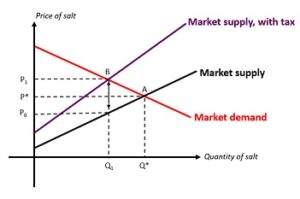
One of the biggest factors affecting real estate is the relationship between supply and demand.

When there are many buyers but limited properties available, property prices usually increase. On the other hand, when there are too many properties in the market and fewer buyers, prices may decrease.

This is why some locations experience rapid appreciation while others remain stable or slow-moving.

Importance of Location

Location is often considered the heart of real estate value. Properties located near schools, business districts, transportation hubs, hospitals, and commercial establishments are usually in higher demand.

A strategic location can:

  • Increase property value over time
  • Generate better rental income
  • Attract more investors and buyers

This explains why prime locations are often more expensive than developing areas.

Real Estate Market Trends

Trends in the market also affect property demand. In recent years, many buyers have shown interest in:

  • Condominium living
  • Gated communities
  • Eco-friendly developments
  • Suburban properties
  • Mixed-use developments

Understanding market trends allows investors and developers to identify opportunities and respond to changing consumer preferences.

Economic Factors Affecting Real Estate

Economic conditions greatly influence the real estate market. When the economy performs well, the property sector often grows alongside it.

Interest Rates

Interest rates directly affect the affordability of buying a property. Lower interest rates encourage more people to purchase homes because monthly loan payments become more manageable.

However, when interest rates increase, borrowing becomes more expensive, which may reduce demand for properties.

Inflation

Inflation affects the prices of construction materials, labor, and land. As costs rise, property prices and rental rates may also increase.

Because of this, real estate is often viewed as a good long-term investment and a protection against inflation.

Employment and Income

A strong employment market means more people have stable income and purchasing power. This leads to higher demand for residential and commercial properties.

In contrast, economic slowdowns and unemployment may reduce buyer confidence and affect property sales.

Government Policies and Taxes

Government regulations also impact the real estate industry. Policies related to taxation, zoning, infrastructure, and housing programs can influence property values and development activities.

Examples include:

  • Property taxes
  • VAT on property sales
  • Housing loan programs
  • Infrastructure projects
  • Zoning regulations

Government support and infrastructure improvements often increase property demand in nearby areas.

Why These Factors Matter

Understanding market and economic considerations helps buyers, investors, and real estate professionals make better decisions.

These considerations can help:

  • Determine the right property value
  • Identify profitable investments
  • Reduce financial risks
  • Understand market timing
  • Plan long-term real estate strategies

In real estate, knowledge of the market and economy provides a strong advantage.

Leave a comment

A Basis of Value in Real Estate

Understanding the Basis of Value in Real Estate

In the real estate industry, determining the value of a property is one of the most important aspects of buying, selling, investing, and financing. However, many people do not realize that a property can have different values depending on the purpose of the valuation. This is where the concept of basis of value comes in.

The basis of value serves as the foundation used by appraisers and real estate professionals to estimate how much a property is worth. Understanding this concept helps property owners, buyers, investors, and even government agencies make better and more informed decisions.

What is Basis of Value?

A basis of value refers to the standard or type of value applied in determining the worth of a real estate property. It answers the question:

“Value for what purpose?”

A property may have one value in the open market, another value for taxation, and a different value for insurance or investment purposes.

Because of this, it is important to identify the correct basis of value before conducting a property appraisal.

Why is Basis of Value Important?

The basis of value is important because it ensures that the property valuation is:

  • Accurate
  • Fair and objective
  • Consistent with market conditions
  • Suitable for its intended use

Without a proper basis of value, property assessments may become misleading or unreliable.

For example, a bank evaluating a property for a housing loan may focus on market value, while a local government office may use assessed value for taxation purposes.

Common Types of Basis of Value in Real Estate

1. Market Value

Market value is the most commonly used basis of value in real estate.

It refers to the estimated amount a property would sell for between a willing buyer and willing seller under normal market conditions.

This value is influenced by:

  • Location
  • Demand and supply
  • Accessibility
  • Property condition
  • Nearby developments

Example:

A house and lot located in Pasig City may command a higher market value because of its accessibility to business districts and commercial establishments.

Common Uses:

  • Buying and selling properties
  • Bank financing
  • Property listings
  • Investment analysis

2. Assessed Value

Assessed value is the value assigned by the government for taxation purposes.

In the Philippines, local government units use assessed value to calculate the Real Property Tax (RPT).

This value is usually lower than market value because it is based on assessment levels determined by the local assessor’s office.

Common Uses:

  • Property taxation
  • Government records
  • Tax declarations

3. Fair Value

Fair value refers to the estimated price agreed upon by knowledgeable and willing parties under normal conditions.

This basis is commonly used in:

  • Accounting
  • Financial reporting
  • Corporate asset valuation

Fair value helps businesses reflect the true worth of their real estate assets in financial statements.

4. Investment Value

Investment value is the value of a property to a specific investor based on expected returns and investment objectives.

Unlike market value, investment value can vary from one investor to another.

Example:

An investor may value a commercial property higher because of its strong rental income potential and long-term appreciation.

5. Insurance Value

Insurance value refers to the cost of rebuilding or replacing the improvements on a property in case of damage or destruction.

This usually excludes the land value since land itself is not destroyed.

Common Uses:

  • Property insurance
  • Risk management
  • Building replacement estimation

6. Liquidation Value

Liquidation value is the estimated amount a property may sell for under a forced or rushed sale.

This value is commonly seen in:

  • Foreclosure cases
  • Bankruptcy
  • Distressed property sales

Because the property must be sold quickly, liquidation value is often lower than market value.

Factors That Affect Property Value

Several factors influence the value of real estate properties, including:

  • Location
  • Accessibility
  • Market demand
  • Economic conditions
  • Property size and condition
  • Infrastructure developments
  • Zoning regulations

Properties located in high-demand areas such as Tagaytay City often experience stronger property appreciation due to tourism, commercial growth, and lifestyle appeal.

Leave a comment

Common problem on Property Valuation

Common Problems in Property Valuation

Property valuation plays a very important role in real estate. Whether you are buying, selling, investing, applying for a bank loan, or paying taxes, knowing the correct value of a property helps you make better decisions. However, property valuation is not always simple. There are many factors that can affect the accuracy of a property’s value, and mistakes can lead to financial loss, delayed transactions, or legal problems.

Here are some of the most common problems encountered in property valuation:

1. Inaccurate Market Data

One of the biggest challenges in property valuation is the lack of accurate and updated market data. Property values depend heavily on recent sales in the area. If the data used is outdated or incomplete, the estimated value may become too high or too low.

For example, if a valuer compares a property to homes sold years ago instead of recent transactions, the valuation may no longer reflect the current market condition.

2. Location Differences

Location is one of the most important factors in real estate valuation. Even properties within the same city can have very different values depending on accessibility, neighborhood quality, nearby establishments, flood risk, and future developments.

A property near schools, hospitals, business districts, and transport terminals usually has a higher value compared to properties in remote areas.

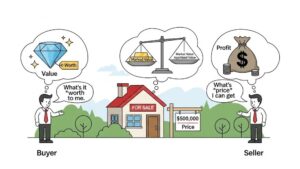
3. Emotional Pricing by Owners

Many property owners overvalue their property because of emotional attachment. They may consider personal memories, renovations, or sentimental value, which are not always recognized in professional valuation.

This often causes disagreements between sellers and buyers, especially when the market value is lower than the owner’s expected price.

4. Poor Property Condition

The physical condition of the property greatly affects its value. Damaged roofs, outdated interiors, structural issues, and poor maintenance can reduce the appraisal value.

Some owners also fail to disclose hidden issues such as termite damage, leaks, or illegal structures, which may later affect the valuation process.

5. Lack of Comparable Sales

Property appraisers usually rely on comparable sales or “comps” to estimate value. However, in some areas, there may be very few recent transactions available for comparison.

This is common in:

  • Luxury properties
  • Agricultural land
  • Unique homes
  • Commercial buildings in developing areas

Without enough comparable data, determining an accurate value becomes more difficult.

6. Market Fluctuations

Real estate markets constantly change due to economic conditions, inflation, interest rates, and supply and demand. A property valued today may have a different value after a few months.

For example:

  • High interest rates may lower buyer demand
  • New infrastructure projects may increase nearby property values
  • Economic crises may reduce overall market prices

Because of this, timing is very important in property valuation.

7. Legal and Documentation Issues

Properties with incomplete or problematic documents can affect valuation significantly. Common issues include:

  • Title discrepancies
  • Unpaid taxes
  • Boundary conflicts
  • Illegal occupants
  • Missing permits

Even if the property itself is valuable, legal complications can lower its marketability and overall worth.

8. Overimprovement or Underimprovement

Sometimes owners spend too much on renovations that exceed the standard of the neighborhood. This is called overimprovement. While the property may look expensive, the market may not support the higher price.

On the other hand, underimproved properties may have lower value because they lack necessary upgrades compared to nearby homes.

9. Subjective Valuation Opinions

Although professional appraisers follow standards, some level of judgment is still involved in the valuation process. Different appraisers may produce slightly different values depending on their experience, methodology, and interpretation of market conditions.

This is why it is important to work with licensed and experienced real estate professionals.

Leave a comment

Market Demand and Rarity

Understanding Market Demand in Real Estate

In the world of business and real estate, one of the most important terms to understand is Market Demand. This plays a big role in determining property prices, investment opportunities, and how fast properties are sold in the market.

What is Market Demand?

Market Demand refers to the number of people who are willing and financially able to buy a product, service, or property at a certain price.

In simple terms:

“Maraming gustong bumili at kaya nilang bumili.”

When market demand is high, properties usually sell faster and prices tend to increase. When demand is low, properties may stay longer in the market and prices can become negotiable.

Why is Market Demand Important in Real Estate?

Market demand helps buyers, sellers, and investors understand the current condition of the property market. It affects:

  • Property value
  • Selling speed
  • Rental income potential
  • Investment growth
  • Future development of an area

For example, areas near business districts, schools, malls, and highways usually have higher demand because many people prefer accessible locations.

Example of Market Demand

A property located in Tagaytay City may have strong market demand because of:

  • Cool climate
  • Tourist attractions
  • Vacation homes
  • Accessibility from Metro Manila

Since many buyers are interested in owning property there, prices often increase over time.

Factors That Affect Market Demand

Several factors can influence market demand, including:

1. Location

Properties in prime locations are more attractive to buyers.

2. Price

Affordable properties usually attract more buyers.

3. Accessibility

Areas near highways, transport terminals, schools, and malls often have higher demand.

4. Economy

When the economy is strong and people have stable income, demand increases.

5. Lifestyle Trends

Some buyers prefer peaceful communities, while others want city living or vacation properties.

Final Thoughts

Understanding market demand is important whether you are buying, selling, or investing in real estate. A property with strong market demand can offer better value, faster resale opportunities, and long-term investment growth.

Before purchasing a property, always study the market demand in the area to make a smarter and more profitable decision.

Leave a comment

PROPERTY RIGHTS

Property Rights in the Philippines: What Every Buyer and Owner Should Know

When it comes to real estate, one of the most important things you must understand is property rights. Whether you are buying a house, investing in a condominium, or selling land, property rights determine what you can legally do with a property.

In the Philippines, property rights are protected by law to ensure ownership is clear, secure, and legally recognized.

What are Property Rights?

Property rights refer to the legal rights of a person to own, use, control, and transfer a property.

In simple terms:
  If you have property rights, you have legal control over your property and how it is used.

These rights are what give owners the power to:

  • Live in the property
  • Rent it out and earn income
  • Sell or transfer ownership
  • Protect it from unauthorized use

Basic Rights of a Property Owner

A property owner in the Philippines generally has the following rights:

1. Right to Possess

The owner has the right to occupy and physically use the property.

2. Right to Use

You can use the property for residential, commercial, or agricultural purposes depending on zoning laws.

3. Right to Control

The owner decides how the property is managed or maintained.

4. Right to Earn Income

You can rent out the property or use it for business to generate income.

5. Right to Transfer

You can sell, donate, or pass the property to heirs through inheritance.

6. Right to Exclude Others

You can legally prevent others from entering or using your property without permission.

Types of Property Rights in Real Estate

Ownership Rights

This is the strongest form of property right. It gives full legal ownership of the property, usually proven through a land title.

Lease Rights

This allows a person to use a property for a certain period in exchange for rent.

Usufruct Rights

This gives someone the right to use and benefit from a property they do not own.

Easement Rights

This allows limited use of another person’s property, such as a right of way.

Property Rights in the Philippines

In the Philippines, property rights are proven through legal documents such as:

  • Transfer Certificate of Title (TCT) for land and house
  • Condominium Certificate of Title (CCT) for condo units
  • Tax declarations and supporting legal documents

These documents serve as proof of ownership and legal protection.

Why Property Rights are Important

Understanding property rights is essential because it:

  • Protects you from fraud and illegal selling
  • Ensures clear ownership of property
  • Helps avoid disputes between buyers, sellers, and heirs
  • Secures your investment in real estate
  • Makes property transactions legally valid

Common Issues with Property Rights

Many property problems in the Philippines happen due to unclear rights, such as:

  • Fake or missing land titles
  • Double selling of property
  • Disputes between heirs
  • Selling conjugal property without spouse consent
  • Boundary conflicts with neighbors

How to Protect Your Property Rights

To protect yourself as a buyer or owner, always:

  • Verify the title with the Registry of Deeds
  • Check if the seller is the legal owner
  • Confirm marital status for conjugal properties
  • Ensure complete legal documents before buying
  • Work with licensed real estate professionals
Leave a comment

WHAT IS MADECEDA LAW ?

What is the Maceda Law?

The Maceda Law is a Philippine law that protects buyers who purchase real estate on an installment basis. It provides rights and remedies for buyers who may struggle to continue payments or decide to cancel their purchase.

In simple terms:
  It ensures that installment buyers are given fair treatment and do not lose everything they have already paid.

Who is Covered by the Maceda Law?

The law applies to buyers who meet the following conditions:

  • Purchased real estate on installment basis
  • Have paid at least two (2) years of installments
  • Bought residential properties such as condominiums or house-and-lot units

It does not apply to:

  • Cash purchases
  • Commercial or industrial properties
  • Buyers with less than 2 years of payments (limited protection only)

Key Rights of Buyers Under the Maceda Law

1. Grace Period for Missed Payments

If a buyer misses payments, they are entitled to a grace period of one month per year of payment made.

Example:
If you paid for 4 years → you get 4 months grace period to settle unpaid installments without immediate cancellation.

2. Right to Refund (Cash Surrender Value)

One of the strongest protections under the Maceda Law is the refund right.

If a buyer cancels after paying at least 2 years, they are entitled to:

  • 50% refund of total payments made
  • An additional 5% per year after 5 years of payments, up to a maximum of 90% refund

This is called the cash surrender value.

. Protection from Immediate Cancellation

Developers or sellers cannot immediately cancel a contract without:

  • Giving proper notice
  • Providing the required grace period
  • Following legal procedures

This ensures buyers are not unfairly stripped of their investment.

4. Option to Reinstate the Contract

During the grace period, buyers may:

  • Pay overdue amounts
  • Continue the contract
  • Avoid cancellation of their property purchase

Example Scenario

Imagine you bought a condo unit on installment and paid for 3 years. Suddenly, you experience financial difficulties and cannot continue payments.

Under the Maceda Law:

  • You are entitled to a 3-month grace period
  • If you still cannot continue, you may cancel and receive a refund based on your payments
  • You are protected from losing everything you have paid

Why the Maceda Law is Important

The Maceda Law plays a vital role in protecting Filipino homebuyers because it:

  • Prevents total loss of investment for installment buyers
  • Promotes fairness between buyers and developers
  • Provides financial relief during difficult situations
  • Encourages confidence in real estate investments

Common Misconception

❌ “Kapag hindi nakabayad, forfeited na lahat ng binayad.”

✔ Not true.
Under the Maceda Law, qualified buyers may still receive a refund or grace period protection, depending on their payment history.

Leave a comment