
Improvements in Real Estate
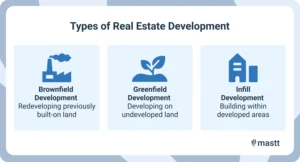
Real estate is one of the most valuable investments, and one important factor that affects its worth is improvements. In real estate, improvements refer to permanent additions or changes made to land or buildings that increase their value, usefulness, and overall appeal. These improvements can be done by property owners, developers, or investors to make a property more functional and attractive in the market.
Improvements can come in different forms. One of the most common is land improvement, which includes roads, drainage systems, fences, landscaping, sidewalks, and utility connections such as water, electricity, and sewage lines. These upgrades help make raw land more usable for residential, commercial, or industrial purposes.
Another type is building improvement, which involves adding or upgrading structures on a property. Examples include constructing houses, condominiums, office buildings, warehouses, and improving existing structures through painting, roofing, flooring, air-conditioning installation, and interior renovations. These improvements often increase comfort, safety, and market value.
There are also public improvements, which are usually developed by the government or local authorities. These include highways, bridges, schools, hospitals, parks, and transportation systems. Public improvements can significantly raise nearby property values because they improve accessibility and convenience.
The importance of improvements in real estate cannot be overlooked. They help increase property value, attract buyers and investors, improve safety and appearance, and create better opportunities for rental income or resale. In many cases, well-planned improvements can turn an ordinary property into a highly desirable and profitable investment.
In conclusion, improvements play a major role in real estate development and valuation. Whether made to land, buildings, or surrounding infrastructure, these enhancements contribute to making properties more useful, attractive, and financially rewarding. Understanding real estate improvements is essential for property owners, investors, and developers who want to maximize the value of their assets.



Income Capitalization Approach in Real Estate
[feather/share]
In the Philippine legal landscape, foreclosure does not immediately divest a property owner of all rights. Central to the protection of debtors is the Right of Redemption—the legal privilege granted to a mortgagor to reacquire their property after it has been sold at public auction to satisfy a debt.

Understanding the nuances of redemption requires distinguishing between the two primary types of foreclosure: Judicial and Extrajudicial.
1. Types of Redemption
There are two distinct stages and types of redemption recognized under Philippine law:
Equity of Redemption
This applies primarily to Judicial Foreclosures (governed by Rule 68 of the Rules of Court). It is the right of the defendant-mortgagor to extinguish the mortgage and retain ownership of the property by paying the full amount of the debt, including interest and costs, after the court renders judgment but before the sale is confirmed by the court.
- Period: Usually not less than 90 days nor more than 120 days from the entry of judgment.
- Effect: Once the sale is confirmed by the court, the equity of redemption is generally extinguished (except in cases involving banking institutions).
Right of Redemption (Legal Redemption)
This applies to Extrajudicial Foreclosures (governed by Act No. 3135). This is the right of the mortgagor to repurchase the property after the auction sale has taken place.
- Period: Generally one (1) year from the date of the registration of the Certificate of Sale with the Register of Deeds.
2. Redemption Periods and the “General Banking Law”
While Act No. 3135 provides a one-year redemption period, the General Banking Law of 2000 (Republic Act No. 8791) introduced a significant exception for juridical persons (corporations) when the mortgagee is a bank.
| Mortgagor Type |
Mortgagee |
Redemption Period |
| Natural Person (Individual) |
Bank or Individual |
One (1) year from registration of sale. |
| Juridical Person (Corporation) |
Individual/Non-Bank |
One (1) year from registration of sale. |
| Juridical Person (Corporation) |
Bank |
Until, but not after, the registration of the certificate of foreclosure sale, or three (3) months after the foreclosure, whichever is earlier. |
Note: For corporations dealing with banks, the window is significantly shorter, often effectively ending once the certificate of sale is registered.
3. Redemption Price: How Much to Pay?
To validly exercise the right of redemption, the mortgagor must tender the correct amount. Under the Rules of Court and the General Banking Law, this includes:
- The purchase price paid at the auction.
- Interest on the purchase price (usually 1% per month, or as stipulated).
- Any assessments or taxes paid by the purchaser after the sale.
- Interest on those assessments/taxes.
- In the case of banks, all costs and expenses incurred by the bank for the custody and preservation of the property.
4. Procedure for Exercising the Right
To successfully repurchase the property, the following steps must be observed:
- Written Offer: The redemptioner should make a formal written offer to the purchaser or the Sheriff who conducted the sale.
- Tender of Payment: Actual payment must be made within the redemption period. If the purchaser refuses the payment, the redemptioner must perform a Consignation—depositing the money with the court to freeze the period and preserve the right.
- Certificate of Redemption: Upon payment, a Certificate of Redemption is issued and must be filed with the Register of Deeds to cancel the Certificate of Sale.
5. Right of Possession During Redemption
During the one-year redemption period (in extrajudicial cases), the mortgagor generally remains in possession of the property. However, the purchaser may petition the court for a Writ of Possession even before the period expires, provided they post a bond. The bond is intended to indemnify the mortgagor if it is later discovered that the foreclosure was not justified.
Once the redemption period expires and no redemption is made, the right to possess becomes absolute for the purchaser, and the mortgagor can be evicted via an ex parte motion for a writ of possession.
6. Who May Redeem?
The right is not exclusive to the original owner. It extends to:
- The mortgagor or their successors-in-interest (heirs or assignees).
- A creditor having a lien by attachment, judgment, or mortgage on the property subsequent to the mortgage under which the property was sold (often called “Redemptioners”).
7. Consequences of Non-Redemption
If the mortgagor fails to redeem within the prescribed period:
- The purchaser’s right to the property becomes absolute.
- Consolidation of Title: The purchaser executes an Affidavit of Consolidation, and the Register of Deeds cancels the old title (TCT) in the name of the mortgagor and issues a new title in the name of the purchaser.
- The mortgagor loses all legal claims to the property.
[feather/share]
In the Philippine legal landscape, foreclosure does not immediately divest a property owner of all rights. Central to the protection of debtors is the Right of Redemption—the legal privilege granted to a mortgagor to reacquire their property after it has been sold at public auction to satisfy a debt.
Understanding the nuances of redemption requires distinguishing between the two primary types of foreclosure: Judicial and Extrajudicial.
1. Types of Redemption
There are two distinct stages and types of redemption recognized under Philippine law:
Equity of Redemption
This applies primarily to Judicial Foreclosures (governed by Rule 68 of the Rules of Court). It is the right of the defendant-mortgagor to extinguish the mortgage and retain ownership of the property by paying the full amount of the debt, including interest and costs, after the court renders judgment but before the sale is confirmed by the court.
- Period: Usually not less than 90 days nor more than 120 days from the entry of judgment.
- Effect: Once the sale is confirmed by the court, the equity of redemption is generally extinguished (except in cases involving banking institutions).
Right of Redemption (Legal Redemption)
This applies to Extrajudicial Foreclosures (governed by Act No. 3135). This is the right of the mortgagor to repurchase the property after the auction sale has taken place.
- Period: Generally one (1) year from the date of the registration of the Certificate of Sale with the Register of Deeds.
2. Redemption Periods and the “General Banking Law”
While Act No. 3135 provides a one-year redemption period, the General Banking Law of 2000 (Republic Act No. 8791) introduced a significant exception for juridical persons (corporations) when the mortgagee is a bank.
| Mortgagor Type |
Mortgagee |
Redemption Period |
| Natural Person (Individual) |
Bank or Individual |
One (1) year from registration of sale. |
| Juridical Person (Corporation) |
Individual/Non-Bank |
One (1) year from registration of sale. |
| Juridical Person (Corporation) |
Bank |
Until, but not after, the registration of the certificate of foreclosure sale, or three (3) months after the foreclosure, whichever is earlier. |
Note: For corporations dealing with banks, the window is significantly shorter, often effectively ending once the certificate of sale is registered.
3. Redemption Price: How Much to Pay?
To validly exercise the right of redemption, the mortgagor must tender the correct amount. Under the Rules of Court and the General Banking Law, this includes:
- The purchase price paid at the auction.
- Interest on the purchase price (usually 1% per month, or as stipulated).
- Any assessments or taxes paid by the purchaser after the sale.
- Interest on those assessments/taxes.
- In the case of banks, all costs and expenses incurred by the bank for the custody and preservation of the property.
4. Procedure for Exercising the Right
To successfully repurchase the property, the following steps must be observed:
- Written Offer: The redemptioner should make a formal written offer to the purchaser or the Sheriff who conducted the sale.
- Tender of Payment: Actual payment must be made within the redemption period. If the purchaser refuses the payment, the redemptioner must perform a Consignation—depositing the money with the court to freeze the period and preserve the right.
- Certificate of Redemption: Upon payment, a Certificate of Redemption is issued and must be filed with the Register of Deeds to cancel the Certificate of Sale.
5. Right of Possession During Redemption
During the one-year redemption period (in extrajudicial cases), the mortgagor generally remains in possession of the property. However, the purchaser may petition the court for a Writ of Possession even before the period expires, provided they post a bond. The bond is intended to indemnify the mortgagor if it is later discovered that the foreclosure was not justified.
Once the redemption period expires and no redemption is made, the right to possess becomes absolute for the purchaser, and the mortgagor can be evicted via an ex parte motion for a writ of possession.
6. Who May Redeem?
The right is not exclusive to the original owner. It extends to:
- The mortgagor or their successors-in-interest (heirs or assignees).
- A creditor having a lien by attachment, judgment, or mortgage on the property subsequent to the mortgage under which the property was sold (often called “Redemptioners”).
7. Consequences of Non-Redemption
If the mortgagor fails to redeem within the prescribed period:
- The purchaser’s right to the property becomes absolute.
- Consolidation of Title: The purchaser executes an Affidavit of Consolidation, and the Register of Deeds cancels the old title (TCT) in the name of the mortgagor and issues a new title in the name of the purchaser.
- The mortgagor loses all legal claims to the property.
Valuation of Historic Property: Preserving Heritage While Determining Value
Historic properties are more than just old buildings — they are symbols of culture, history, and identity. From ancestral homes and heritage houses to historical landmarks and preserved commercial buildings, these properties tell stories from the past and connect future generations to their heritage.
In real estate, valuing historic properties is a unique and challenging process. Unlike ordinary residential or commercial properties, historic properties carry not only economic value but also cultural and historical significance. Because of this, appraisers and property professionals must consider many special factors when determining their value.
Understanding Historic Properties
A historic property refers to a building, structure, or site recognized for its historical, architectural, cultural, or social importance. Some properties are officially declared as heritage sites by the government, while others gain recognition because of their age, architectural style, or historical relevance.
Examples of historic properties include:
- Ancestral houses
- Heritage mansions
- Old churches
- Historical government buildings
- Colonial-era structures
- Cultural landmarks
These properties are often preserved because they represent important parts of a country’s history and culture.
Why Historic Property Valuation Matters
The valuation of historic properties is important for several reasons. It helps determine:
- Fair market value
- Insurance coverage
- Property taxation
- Restoration and rehabilitation costs
- Investment potential
- Sale or lease pricing
Accurate valuation also supports conservation efforts and helps property owners make informed financial decisions.
Factors Affecting the Valuation of Historic Properties
Location and Accessibility
Just like ordinary real estate, location plays a major role in determining value. Historic properties located in tourism districts, heritage zones, or prime commercial areas often have stronger market demand.
Properties situated near cultural attractions or city centers may also have higher commercial potential.
Historical and Cultural Significance
One of the most unique factors in historic property valuation is historical importance. A property connected to important historical events, famous individuals, or cultural traditions may carry premium value because of its uniqueness and prestige.
In many cases, cultural importance can increase public interest and tourism value.
Architectural Design and Uniqueness
Historic properties often feature rare architectural styles, handcrafted details, and construction techniques that are difficult to reproduce today.
Examples include:
- Spanish colonial architecture
- Art Deco buildings
- Traditional Filipino bahay na bato
- Victorian-inspired structures
The rarity and craftsmanship of these designs contribute significantly to the property’s overall value.
Physical Condition of the Property
The condition of the structure greatly affects valuation. Well-preserved properties generally have higher market value than neglected or severely damaged buildings.
Appraisers evaluate:
- Structural integrity
- Roofing and foundation condition
- Interior preservation
- Restoration requirements
- Maintenance expenses
Historic structures may require specialized repairs and restoration, which can affect both value and marketability.
Preservation Laws and Restrictions
Many historic properties are protected by preservation laws that regulate renovation, demolition, and redevelopment activities.
In the Philippines, agencies such as the National Historical Commission of the Philippines and the National Commission for Culture and the Arts help protect heritage properties and cultural assets.
While these laws preserve cultural heritage, they may also limit development options, which can influence property value.
Income and Commercial Potential
Some historic properties are converted into profitable businesses such as:
- Boutique hotels
- Restaurants
- Museums
- Event venues
- Tourist attractions
- Commercial establishments
Properties with strong tourism or business potential may command higher market values due to their ability to generate income.
Common Approaches in Historic Property Valuation
Market Data Approach
This method compares the historic property with recently sold similar properties. However, finding comparable heritage properties can be difficult because every historic structure is unique.
Cost Approach
The cost approach estimates the value based on the cost of reproducing or restoring the property while accounting for depreciation and preservation standards.
This method is often used for insurance and restoration purposes.
Income Approach
For income-generating historic properties, appraisers may estimate value based on the property’s earning potential through rent, tourism, or commercial use.
Challenges in Valuing Historic Properties
Historic property valuation can be complex because of:
- Limited comparable sales
- Expensive restoration costs
- Legal preservation restrictions
- Uncertain market demand
- Specialized maintenance requirements
Because of these challenges, professional valuation often requires experienced appraisers familiar with heritage conservation and real estate principles.

Legal and Statutory Protections in Real Estate
Real estate is one of the most valuable investments a person can make. Whether purchasing a house, condominium, commercial property, or vacant lot, buyers and investors need assurance that their investment is protected by law. This is where legal and statutory protections become important.
In the Philippines, real estate transactions are governed by various laws, regulations, and government agencies that help protect buyers, sellers, developers, and property owners. These protections ensure that transactions are fair, transparent, and legally valid.
Why Legal Protection Matters in Real Estate
Buying property involves large financial commitments. Without proper legal safeguards, people may encounter problems such as fake titles, illegal selling, delayed developments, land disputes, or fraudulent transactions.
Legal and statutory protections help:
- Protect ownership rights
- Prevent real estate fraud
- Ensure lawful property transfers
- Safeguard buyers and investors
- Promote responsible property development
These laws create confidence and stability within the real estate industry.
Property Registration and Land Ownership
One of the strongest legal protections in Philippine real estate is the Torrens Title System. This system provides official proof of ownership through registered land titles.
The Land Registration Authority and the Registry of Deeds are responsible for maintaining and registering property records. A clean and verified title protects owners against ownership disputes and unauthorized claims.
Before buying property, it is important to verify the authenticity of the land title and ensure there are no liens or legal issues attached to the property.
Protection for Subdivision and Condominium Buyers
One of the most important real estate laws in the Philippines is Presidential Decree No. 957, also known as the Subdivision and Condominium Buyers’ Protective Decree.
This law protects buyers from fraudulent and irresponsible developers. Under this decree, developers are required to:
- Obtain a License to Sell
- Complete development projects according to approved plans
- Deliver property titles to buyers
- Follow government standards and regulations
PD 957 gives buyers legal remedies if developers fail to fulfill their obligations.
The Maceda Law and Installment Buyers
Another important protection for property buyers is Republic Act No. 6552.
This law protects buyers who purchase real estate through installment payments. It provides rights such as:
- Grace periods for unpaid installments
- Refunds for qualified buyers
- Protection against immediate cancellation of contracts
The Maceda Law is especially beneficial for Filipinos purchasing homes through long-term financing arrangements.
Zoning and Land Use Regulations
Local government units implement zoning laws that regulate how land can be used in certain areas. These regulations help maintain organized communities and proper urban development.
Properties may be classified as:
- Residential
- Commercial
- Industrial
- Agricultural
Checking zoning classifications before buying property is important because it affects the future use and value of the property.
Building and Safety Regulations
Construction projects must comply with the National Building Code enforced by the Department of Public Works and Highways.
These regulations ensure that buildings are:
- Structurally safe
- Properly designed
- Environmentally compliant
- Suitable for occupancy
Building permits and inspections are necessary to ensure that developments follow engineering and safety standards.
Environmental Protection Laws
Real estate developments must also comply with environmental regulations. Some projects require Environmental Compliance Certificates (ECC) to ensure that developments do not harm the environment or nearby communities.
Environmental laws help:
- Protect natural resources
- Prevent flooding and environmental damage
- Promote sustainable development
- Ensure proper waste management