
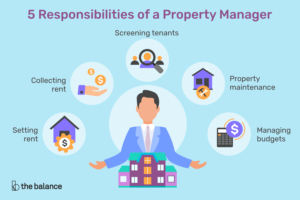
The Roles of a Property Manager: Keeping Real Estate Investments Profitable and Well-Maintained
Real estate ownership can be a rewarding investment, but managing properties effectively requires time, expertise, and attention to detail. This is where property managers play a crucial role. Whether handling residential, commercial, or mixed-use developments, property managers ensure that properties operate efficiently, tenants remain satisfied, and owners achieve their investment goals.
What is a Property Manager?
A property manager is a professional responsible for overseeing the daily operations, maintenance, and administration of a property on behalf of the owner. They act as the bridge between property owners and tenants, ensuring that the property remains profitable, compliant, and well-maintained.
Property managers are commonly employed for condominiums, apartment buildings, office spaces, retail centers, and residential subdivisions.
Key Roles and Responsibilities of a Property Manager
1. Tenant Management
One of the primary responsibilities of a property manager is handling tenant-related concerns. This includes:
- Marketing vacant units
- Screening prospective tenants
- Processing lease agreements
- Handling tenant inquiries and complaints
- Managing lease renewals and terminations
Effective tenant management helps maintain high occupancy rates and positive tenant relationships.
2. Property Maintenance and Repairs
Property managers ensure that buildings, facilities, and common areas remain in excellent condition. Their responsibilities include:
- Conducting regular property inspections
- Coordinating preventive maintenance programs
- Scheduling repairs and renovations
- Supervising contractors and service providers
- Ensuring safety and cleanliness standards
Well-maintained properties retain their value and attract quality tenants.
3. Financial Management
Property managers are responsible for overseeing the financial performance of a property. Key tasks include:
- Collecting rent and association dues
- Monitoring operating expenses
- Preparing budgets and financial reports
- Managing vendor payments
- Recommending strategies to improve profitability
Proper financial management helps maximize returns for property owners.
4. Lease Administration
Managing lease agreements is a critical part of property management. Property managers:
- Prepare and review lease contracts
- Ensure compliance with lease terms
- Monitor rental escalations
- Handle renewals and amendments
- Address lease violations when necessary
Effective lease administration protects both owners and tenants.
5. Legal and Regulatory Compliance
Property managers help ensure compliance with applicable laws, regulations, and local ordinances. This includes:
- Building and safety regulations
- Fire safety requirements
- Environmental standards
- Local government permits
- Property tax and documentation requirements
Compliance reduces legal risks and protects the property’s reputation.
6. Risk Management and Security
Property managers identify potential risks and implement measures to protect the property and its occupants. Their responsibilities may include:
- Monitoring security systems
- Coordinating emergency response procedures
- Managing insurance requirements
- Conducting safety inspections
- Addressing potential hazards
A proactive approach to risk management helps prevent costly incidents.
7. Vendor and Contractor Coordination
Property managers work with various service providers, including:
- Maintenance personnel
- Security agencies
- Landscaping contractors
- Cleaning services
- Utility providers
They ensure that services are delivered efficiently and within budget.
Benefits of Hiring a Property Manager
Improved Property Performance
Professional management helps maintain property value and operational efficiency.
Higher Tenant Satisfaction
Prompt responses to tenant concerns lead to better tenant retention and occupancy rates.
Time Savings for Owners
Property owners can focus on investment growth while managers handle day-to-day operations.
Better Financial Control
Property managers monitor expenses, collect payments, and provide accurate financial reporting.
Legal Protection
Experienced property managers help ensure compliance with laws and regulations, reducing potential liabilities.
Skills of an Effective Property Manager
Successful property managers typically possess:
- Strong communication skills
- Leadership and organizational abilities
- Financial management expertise
- Problem-solving capabilities
- Knowledge of real estate laws and regulations
- Customer service orientation
These skills allow them to effectively manage properties while balancing the needs of owners and tenants.
Leave a Reply