
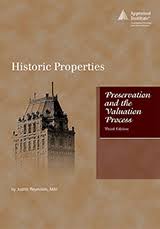
Valuation of Historic Property: Preserving Heritage While Determining Value
Historic properties are more than just old buildings — they are symbols of culture, history, and identity. From ancestral homes and heritage houses to historical landmarks and preserved commercial buildings, these properties tell stories from the past and connect future generations to their heritage.
In real estate, valuing historic properties is a unique and challenging process. Unlike ordinary residential or commercial properties, historic properties carry not only economic value but also cultural and historical significance. Because of this, appraisers and property professionals must consider many special factors when determining their value.
Understanding Historic Properties
A historic property refers to a building, structure, or site recognized for its historical, architectural, cultural, or social importance. Some properties are officially declared as heritage sites by the government, while others gain recognition because of their age, architectural style, or historical relevance.
Examples of historic properties include:
- Ancestral houses
- Heritage mansions
- Old churches
- Historical government buildings
- Colonial-era structures
- Cultural landmarks
These properties are often preserved because they represent important parts of a country’s history and culture.
Why Historic Property Valuation Matters
The valuation of historic properties is important for several reasons. It helps determine:
- Fair market value
- Insurance coverage
- Property taxation
- Restoration and rehabilitation costs
- Investment potential
- Sale or lease pricing
Accurate valuation also supports conservation efforts and helps property owners make informed financial decisions.
Factors Affecting the Valuation of Historic Properties
Location and Accessibility
Just like ordinary real estate, location plays a major role in determining value. Historic properties located in tourism districts, heritage zones, or prime commercial areas often have stronger market demand.
Properties situated near cultural attractions or city centers may also have higher commercial potential.
Historical and Cultural Significance
One of the most unique factors in historic property valuation is historical importance. A property connected to important historical events, famous individuals, or cultural traditions may carry premium value because of its uniqueness and prestige.
In many cases, cultural importance can increase public interest and tourism value.
Architectural Design and Uniqueness
Historic properties often feature rare architectural styles, handcrafted details, and construction techniques that are difficult to reproduce today.
Examples include:
- Spanish colonial architecture
- Art Deco buildings
- Traditional Filipino bahay na bato
- Victorian-inspired structures
The rarity and craftsmanship of these designs contribute significantly to the property’s overall value.
Physical Condition of the Property
The condition of the structure greatly affects valuation. Well-preserved properties generally have higher market value than neglected or severely damaged buildings.
Appraisers evaluate:
- Structural integrity
- Roofing and foundation condition
- Interior preservation
- Restoration requirements
- Maintenance expenses
Historic structures may require specialized repairs and restoration, which can affect both value and marketability.
Preservation Laws and Restrictions
Many historic properties are protected by preservation laws that regulate renovation, demolition, and redevelopment activities.
In the Philippines, agencies such as the National Historical Commission of the Philippines and the National Commission for Culture and the Arts help protect heritage properties and cultural assets.
While these laws preserve cultural heritage, they may also limit development options, which can influence property value.
Income and Commercial Potential
Some historic properties are converted into profitable businesses such as:
- Boutique hotels
- Restaurants
- Museums
- Event venues
- Tourist attractions
- Commercial establishments
Properties with strong tourism or business potential may command higher market values due to their ability to generate income.
Common Approaches in Historic Property Valuation
Market Data Approach
This method compares the historic property with recently sold similar properties. However, finding comparable heritage properties can be difficult because every historic structure is unique.
Cost Approach
The cost approach estimates the value based on the cost of reproducing or restoring the property while accounting for depreciation and preservation standards.
This method is often used for insurance and restoration purposes.
Income Approach
For income-generating historic properties, appraisers may estimate value based on the property’s earning potential through rent, tourism, or commercial use.
Challenges in Valuing Historic Properties
Historic property valuation can be complex because of:
- Limited comparable sales
- Expensive restoration costs
- Legal preservation restrictions
- Uncertain market demand
- Specialized maintenance requirements
Because of these challenges, professional valuation often requires experienced appraisers familiar with heritage conservation and real estate principles.
Leave a Reply