




:max_bytes(150000):strip_icc():format(webp)/propertytax.asp_edit-4091e7e47aa84fa6b7ea8e49018a08c9.jpg)
Property tax is a charge levied by a government for real estate or tangible personal property.
What Is Property Tax?
A property tax is an annual or semiannual charge levied by a local government and paid by the owners of real estate within its jurisdiction. Property tax is an ad-valorem tax, meaning the amount owed is a percentage of the assessed value of the real estate.
Property tax receipts are the main source of revenue for most local governments in the U.S. They are used to fund schools, police and fire departments, road construction and repairs, libraries, water and sewer departments, and other local services that benefit the community.
In common usage, property tax refers to a tax on immovable possessions like structures or land. Some local jurisdictions also assess property taxes on moveable property such as vehicles and industrial equipment.
:max_bytes(150000):strip_icc():format(webp)/propertytax.asp-Final-768e8c036b94413591376e5baa43dbb9.png)
Understanding Property Taxes
Property taxes are paid by individuals or legal entities, such as corporations, that own real estate. A tax is assessed on an individual’s primary residence, second home, rental property, and any other real estate they may own, such as a commercial property. Property tax is not assessed to renters.
It is characterized as a regressive tax. That is, the same rate of taxation is applied regardless of the taxpayer’s income. This means the tax burden falls disproportionately on lower-income taxpayers.12
The tax is usually based on the value of the owned property, including land and structures. Many jurisdictions also tax tangible personal property, such as cars and boats. Property tax rates and the types of properties taxed vary by jurisdiction.
Property Tax vs. Real Estate Tax
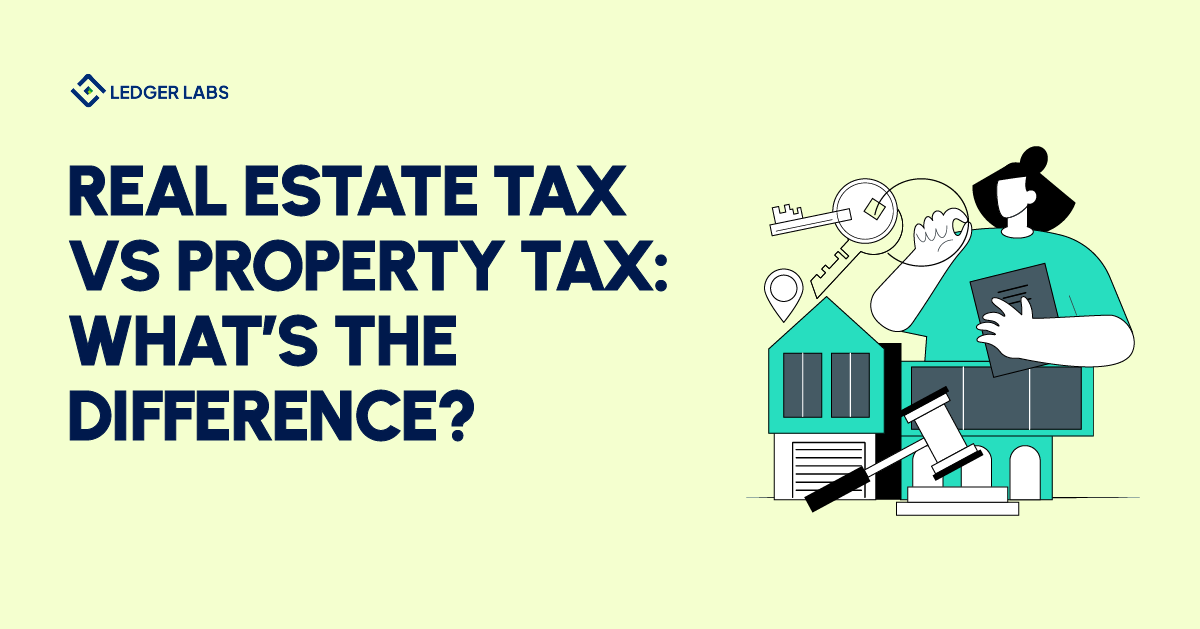
People often use the terms property tax and real estate tax interchangeably. In fact, not all property taxes are real estate taxes.
Many jurisdictions also levy property taxes against tangible personal property. According to a report by the Tax Foundation, 43 states tax tangible personal property.7
Both types of property can be deducted from federal taxes. However, since the Tax Cuts and Jobs Act of 2017, the deduction has been capped at $10,000 per year for married couples and single taxpayers.8
So here’s the difference: Real estate taxes are taxes on real property only, while property taxes can include both real property and tangible personal property.
Leave a Reply